Case Studies
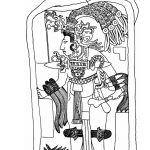
Aguas Calientes Stela 1
A Maya sculpture, stolen in the 1960s, that is currently missing Aguas Calientes is a Classic Maya site located in the Petén Department of Guatemala. The site was first recorded by archaeologist Sylvanus Moreley who visited it in April and May of 1914. At that time Morley located the site’s first (and, so far, only) known Stela 1, which was referred to locally as “El Rey”
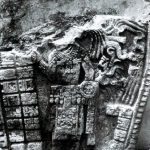
Jimbal Stela 1
Mutilated and partially-stolen Maya sculpture used as an illustration on an ICOM Red List The Maya site of Jimbal is located in Guatemala’s Petén department approximately 14 kilometres north of the core of Tikal (Fry and Cox 1974), halfway between the sites of Tikal and Uaxactun (Robertson 2013: 15). It was likely a satellite of Tikal. To date, archaeologists have recorded one carved...
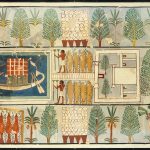
Tomb of Minnakht Wall Paintings
Paintings stolen from an Egyptian tomb and purchased from an Amsterdam dealer by the Museum of Fine Arts, Boston.
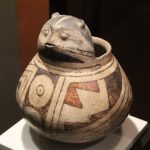
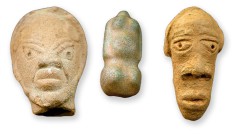
Casas Grandes Artefacts Returned to Mexico from the US in 1997
Artefacts offered to undercover US federal agents by a man who claimed to have looted them from a Mexican cave.
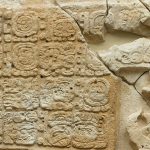
El Perú-Waka’ Stela Fragment Returned to Guatemala in 1999
Maya sculpture stolen from a Guatemalan site and recovered from Sotheby’s auction house...
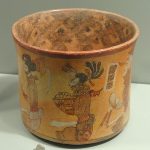
Maya Ceramic Vessels Abandoned in a Florida Airport in 1983
Fifty-five Maya-style vessels that were flown into the USA on a private plane and that no one claimed.
Ecuadorian Artefacts Seized in Miami in 1986
The trafficker, who planned on buying weapons with the proceeds from sale of the artefacts, was convicted of US customs violations after he was denounced by a confidential informant...
Maya Sculpture Seized in Brooklyn in 1999
Large Ancient Maya pieced seized from a Brooklyn residential garage...
Naranjo Stela 30
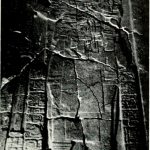
Stolen Maya sculpture seized by US Authorities when a crate carrying it broke open in the port of Houston Naranjo is a Maya site located near Guatemala’s border with Belize. It is 18 km north of the town of Melchor de Mencos via a logging road built in the 1950s (Peabody Museum n.d.). Naranjo was discovered in 1905 by Teobert Maler, who recorded 32 stela at the site, including Naranjo Stela 30...
Dos Pilas Stela 17
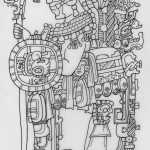
Maya sculpture that was looted and partially recovered; some portions remain missing.